Woman holding a warm cup

IBS Explained: Symptoms, Diagnosis, Treatment and Prevention

Bloating, cramping, and unpredictable bowel movements can be frustrating, especially when they seem to return the moment your routine changes. Could Irritable Bowel Syndrome (IBS) be behind your symptoms?

Book a Free Discovery Call

IBS is one of the most common digestive conditions, yet it is often misunderstood. Because its symptoms overlap with other gastrointestinal conditions and can flare with stress, diet, or travel, identifying and managing IBS is not always straightforward.

Person smiling in a bright, calming setting

What Is IBS?

Irritable Bowel Syndrome (IBS) is classified as a disorder of gut-brain interaction. It involves changes in how the digestive system and nervous system communicate.

These changes can affect intestinal sensitivity, bowel movements, and digestive function, which is why stress and routine often play a role in symptoms.

Common symptoms of IBS include:

  • Abdominal pain or cramping
  • Bloating and gas
  • Constipation or diarrhea
  • Changes in bowel movement patterns
  • Nausea in some cases

However, experiencing bloating or digestive discomfort does not automatically mean you have IBS. Several other conditions can cause similar symptoms.

Book a Free Discovery Call

IBS vs. SIBO: What's the Difference?

One of the most common questions patients ask is whether their symptoms are caused by IBS or Small Intestinal Bacterial Overgrowth (SIBO).

Although these conditions share many symptoms, they are not the same.

IBS involves a miscommunication between the brain and the gut. SIBO, on the other hand, involves an excessive population of bacteria in the small intestine.

Both conditions can cause bloating, gas, constipation, and diarrhea. They can also coexist, and each may contribute to the other by altering the gut environment.

HealthBuddha practitioners noted that nutrient deficiencies such as low iron, vitamin B12, or vitamin D are not typically seen as a cause of IBS, while they may occur with SIBO. Pronounced bloating tends to be more prominent in SIBO. However, neither clue alone can reliably distinguish IBS from SIBO.

Other conditions, including celiac disease, inflammatory bowel disease, H. pylori infection, and other gastrointestinal infections, may also produce similar symptoms.

This is why a comprehensive assessment is important before starting treatment.

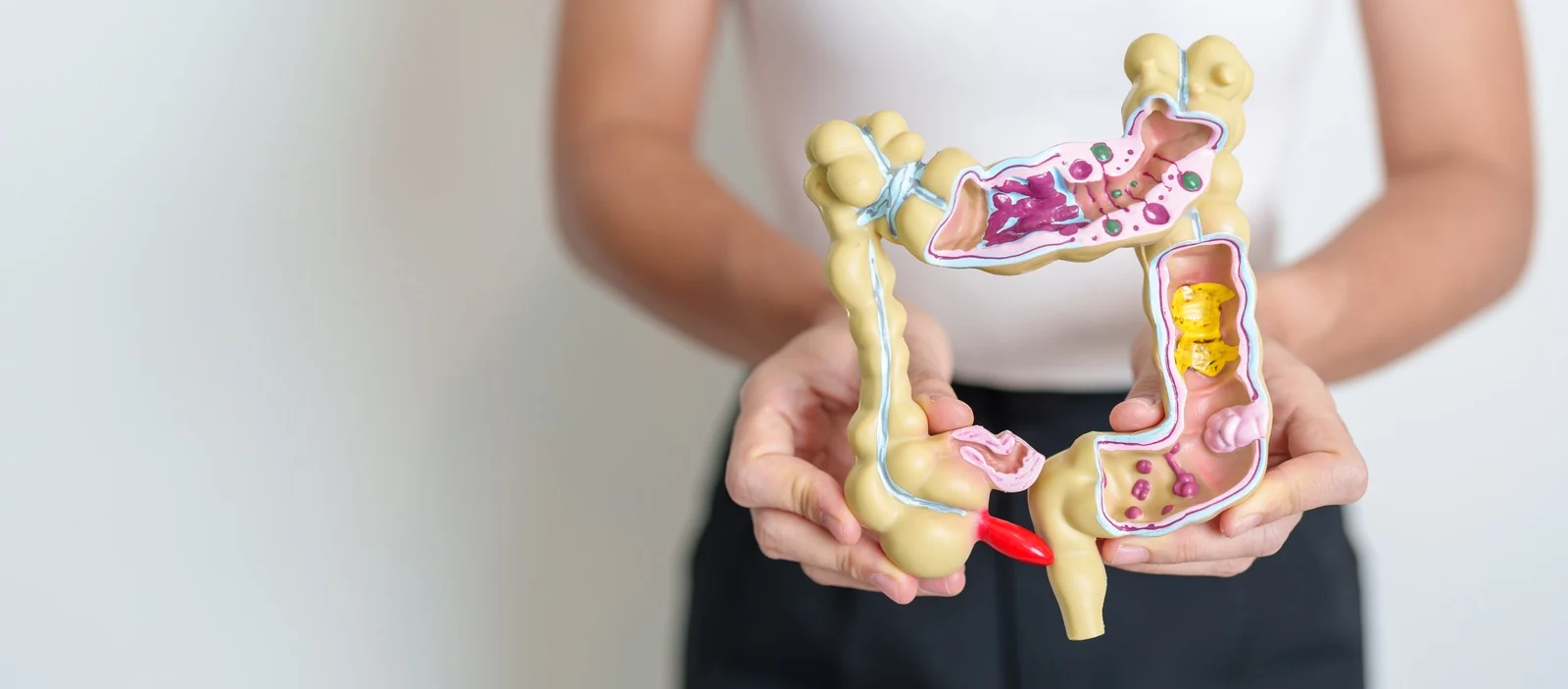
Digestive system educational illustration

How Is IBS Diagnosed?

There is no single test that confirms IBS. IBS is often identified after other gut conditions have been ruled out.

How is IBS identified?

A healthcare practitioner looks at your symptom pattern and medical history, including how often symptoms occur, how long they have been present, and how they relate to bowel movements.

Depending on your symptoms, procedures such as a colonoscopy or endoscopy may be recommended to rule out other gastrointestinal conditions.

HealthBuddha practitioners described how a short, structured trial of the low-FODMAP diet, followed by food reintroduction, can offer clues about food triggers. However, symptom improvement on this diet does not confirm IBS on its own.

Are additional tests necessary?

Depending on the patient's symptoms, a healthcare practitioner may also recommend blood tests to evaluate potential nutrient deficiencies, including:

  • Vitamin B12
  • Iron
  • Vitamin D

These tests do not diagnose IBS directly, but they can help point toward other conditions, such as SIBO or celiac disease, that may need attention.

Key takeaway →IBS should be identified through a thorough assessment of symptoms, medical history, and other clinical findings rather than assumed.

Book a Free Discovery Call
Healthcare professionals at a clinic

What Are the Treatment
Options for IBS?

IBS treatment generally focuses on reducing symptoms, identifying personal triggers, and supporting the gut-brain connection.

Treatment approaches vary depending on the individual's symptoms, medical history, bowel pattern, and lifestyle.

1. Dietary management

One commonly discussed dietary approach is the low-FODMAP diet, which temporarily reduces certain fermentable carbohydrates that may contribute to gas and bloating.

FODMAP triggers are dose-dependent. The more of a trigger food you eat in one sitting, the more likely symptoms are to appear, so smaller portions may be better tolerated than avoiding foods entirely.

The low-FODMAP diet is not intended to be permanent. It is typically followed for about a month, then a structured reintroduction phase helps identify individual triggers while supporting nutritional variety.

Fiber and adequate water intake also support regular bowel movements.

2. Herbal and supplement approaches

  • Peppermint oil, used as an antispasmodic for cramping and bloating
  • Ginger, for nausea
  • Probiotics, which may help maintain regular bowel movements
  • Digestive enzymes, sometimes used around richer or heavier meals
  • Herbal teas such as peppermint, chamomile, and ginger

Evidence for these options varies, and some have more research behind them than others.

Any supplement should be discussed with a qualified healthcare practitioner because supplements may cause side effects or interact with medications.

3. Supporting the gut-brain connection

Because IBS involves the nervous system, managing stress can help reduce flare-ups.

Tools such as Calm and Headspace for relaxation, and Nerva, an app that focuses specifically on the gut-brain interaction and IBS-type symptoms.

Depending on symptoms, a healthcare provider may also recommend gentle laxatives, anti-spasmodics, or other medications.

Book a Free Discovery Call
Travel planning items and map laid out on a table

Why Does IBS Flare Up When Traveling?

A major focus of the HealthBuddha webinar was understanding why IBS often tags along on vacation, even for people whose symptoms are well managed at home.

Travel changes many of the things your body is used to at once, which may increase the likelihood of symptoms returning.

Several factors deserve consideration.

1. Stress and the gut-brain connection

Last-minute packing and errands can push the body into fight-or-flight mode. Because IBS is a disorder of gut-brain interaction, this stress response can affect digestion.

Flying can add to this, particularly worry about needing the bathroom on a plane.

2. Disrupted routines

The body likes consistency, especially around meals, sleep, and bathroom timing.

A packed itinerary or a new time zone can throw off normal bowel habits, sometimes leading to what practitioners call "vacation constipation."

3. Changes in diet

Food options may be limited at airports, on planes, or during road trips.

Richer or heavier meals, and larger servings of trigger foods in one sitting, may increase bloating and bowel changes.

4. Dehydration and other travel factors

Warm climates and summer travel make dehydration more likely, and dehydration is a common cause of constipation. People also often drink more alcohol, coffee, or carbonated drinks on vacation.

Depending on the destination, traveller's diarrhea and motion sickness can also affect digestion.

Book a Free Discovery Call

Can IBS Flare-Ups Be Prevented?

There is no guaranteed method for preventing IBS flare-ups. Travel is rarely perfect, and IBS can flare even with good preparation.

However, several strategies may support digestive health and help reduce the chance of symptoms taking over your trip.

  • Plan ahead. Give yourself a few days or weeks to prepare so you are not rushing right before you leave.
  • Pack IBS-friendly snacks. Bring foods you know you tolerate well in case options are limited.
  • Reduce bathroom anxiety. Choose an aisle seat or a seat closer to the bathroom when booking a flight.
  • Bring calming tools. A journal, book, headphones, or pre-downloaded meditation apps can help calm your nervous system.
  • Keep your routine consistent. Leave time in the morning for breakfast and a bowel movement.
  • Limit triggers rather than avoiding everything. Enjoy local food in smaller portions and avoid stacking several triggers in one meal.
  • Focus on fiber and water. Add fruit and vegetables to meals, and balance alcohol, coffee, and carbonated drinks with plenty of water.
  • Test your travel kit before you go. Try any supplements or remedies at home first so you know how your body responds.
Healthcare professional offering support

When Should You Speak with a Healthcare Practitioner?

If you experience persistent abdominal pain, bloating, or recurring changes in bowel habits, a healthcare practitioner can help determine whether additional investigation is appropriate. If IBS tends to flare when you travel, it may also help to build a plan with your provider before your next trip.

Seek prompt medical attention for warning signs such as unexplained weight loss, blood in the stool, persistent vomiting, severe abdominal pain, or signs of significant dehydration.

Because IBS symptoms overlap with several other conditions, the goal should be to identify the cause of your symptoms rather than simply manage suspected IBS on your own.

Book a Free Discovery Call
Final Thoughts

Understanding Your Triggers Matters

IBS can be challenging because symptoms vary from person to person, there is no single diagnostic test, and flare-ups can appear when routines change.

Successful digestive care requires looking beyond the symptoms themselves.

Understanding the gut-brain connection, daily routines, dietary triggers, and other possible conditions can help patients and healthcare practitioners develop a more individualized management plan, at home and on the road.

Struggling with bloating, cramping, or unpredictable bowel habits?

HealthBuddha connects patients with naturopathic practitioners who can help assess digestive health concerns and discuss appropriate next steps.

Book a Free Discovery Call
Digestive system educational illustration
We’ve got Answers

IBS Frequently Asked Questions

The two share many symptoms, including bloating, gas, constipation, and diarrhea, so symptoms alone can’t tell them apart. Pronounced bloating tends to show up more with SIBO, and nutrient deficiencies (like low iron, B12, or vitamin D) are more commonly linked to SIBO than IBS. Neither clue is definitive, which is why a full assessment with a practitioner matters.

Yes. The two conditions can coexist, and each may contribute to the other by changing the gut environment.

Possibly. Celiac disease, inflammatory bowel disease, H. pylori infection, and other gastrointestinal infections can cause similar symptoms. A practitioner can help rule these out before you start treatment.

Seek prompt medical attention if you have unexplained weight loss, blood in your stool, persistent vomiting, severe abdominal pain, or signs of significant dehydration.

Irritable Bowel Syndrome (IBS) is a disorder of gut-brain interaction. It involves changes in how your digestive system and nervous system communicate, which can affect gut sensitivity, bowel movements, and digestion.

There’s no single test that confirms IBS. It’s usually identified after other gut conditions have been ruled out, based on your symptom pattern and medical history. Depending on your symptoms, your practitioner may recommend a colonoscopy, an endoscopy, or bloodwork to rule out other causes.

No. IBS is a real condition involving the connection between your gut and nervous system. Stress doesn’t cause IBS on its own, but because of that gut-brain link, it can trigger or worsen flare-ups.

Usually not. Many IBS triggers are dose-dependent, so a smaller portion may be fine where a large one causes symptoms. A low-FODMAP diet is typically followed for about a month, then foods are reintroduced to find your personal triggers.

Options discussed in the webinar include peppermint oil for cramping and bloating, ginger for nausea, probiotics for regularity, digestive enzymes around heavier meals, and herbal teas like peppermint, chamomile, and ginger. Evidence varies between these options, so talk to a practitioner before starting anything new.

Relaxation apps like Calm and Headspace can help manage stress. Nerva is an app designed specifically for gut-brain interaction and IBS-type symptoms.

Travel changes many things at once: stress levels, sleep, meal timing, food options, and hydration. Each can affect your gut, and together they can bring on symptoms even when IBS is well managed at home.

Some helpful strategies:

  • Plan ahead so you’re not rushing before you leave.
  • Pack snacks you know you tolerate.
  • Book an aisle seat near the bathroom.
  • Keep a consistent morning routine.
  • Enjoy local food in smaller portions rather than avoiding it entirely.
  • Balance alcohol, coffee, and carbonated drinks with plenty of water.
  • Try any supplements at home before your trip.