
Naturopathic Doctors for Digestive Health, IBS & SIBO
Connect with our naturopathic doctors to explore personalized care.

Are You Struggling With?

Gas

Bloating

Constipation

Diarrhea

Heart burn

Abdominal pain

Nausea

IBS
12-Week Gut Reset Program
Our 12-Week Gut Reset Program takes a personalized, step-by-step approach to understanding your digestive concerns, identifying potential imbalances, and building sustainable habits for long-term gut health.

Weeks 1–3
Understand Your Gut
Every gut is different. We begin with a comprehensive assessment of your digestive symptoms, dietary triggers, and health history.

Weeks 4–8
Restore Balance, One Step
at a Time
Based on your assessments, we develop a personalized plan focused on supporting microbial balance, identifying trigger foods, and improving digestion.

Weeks 9–12
Build Lasting Gut Health
We focus on carefully reintroducing foods, expanding dietary variety, and developing a personalized maintenance plan to support your digestive health beyond the 12 weeks.
Discover whether our 12-Week Gut Reset Program is right for you.


Find a Naturopathic Doctor for IBS, SIBO & Digestive Health









Naturopathic Treatment Approaches for Digestive Health

Functional Labs and Testing
Advanced diagnostic testing to uncover root causes, imbalances, and underlying health concerns for targeted care.

Lifestyle Counselling
Guidance to improve daily habits, stress management, sleep, and overall well-being.

Nutrition Counselling
Personalized nutrition strategies to support health goals, manage conditions, and promote long-term wellness.

Vitamins & Supplements
Evidence-based recommendations to address deficiencies and support optimal body function.

Botanical Medicine
Plant-based therapies used to support healing, restore balance, and complement overall care.

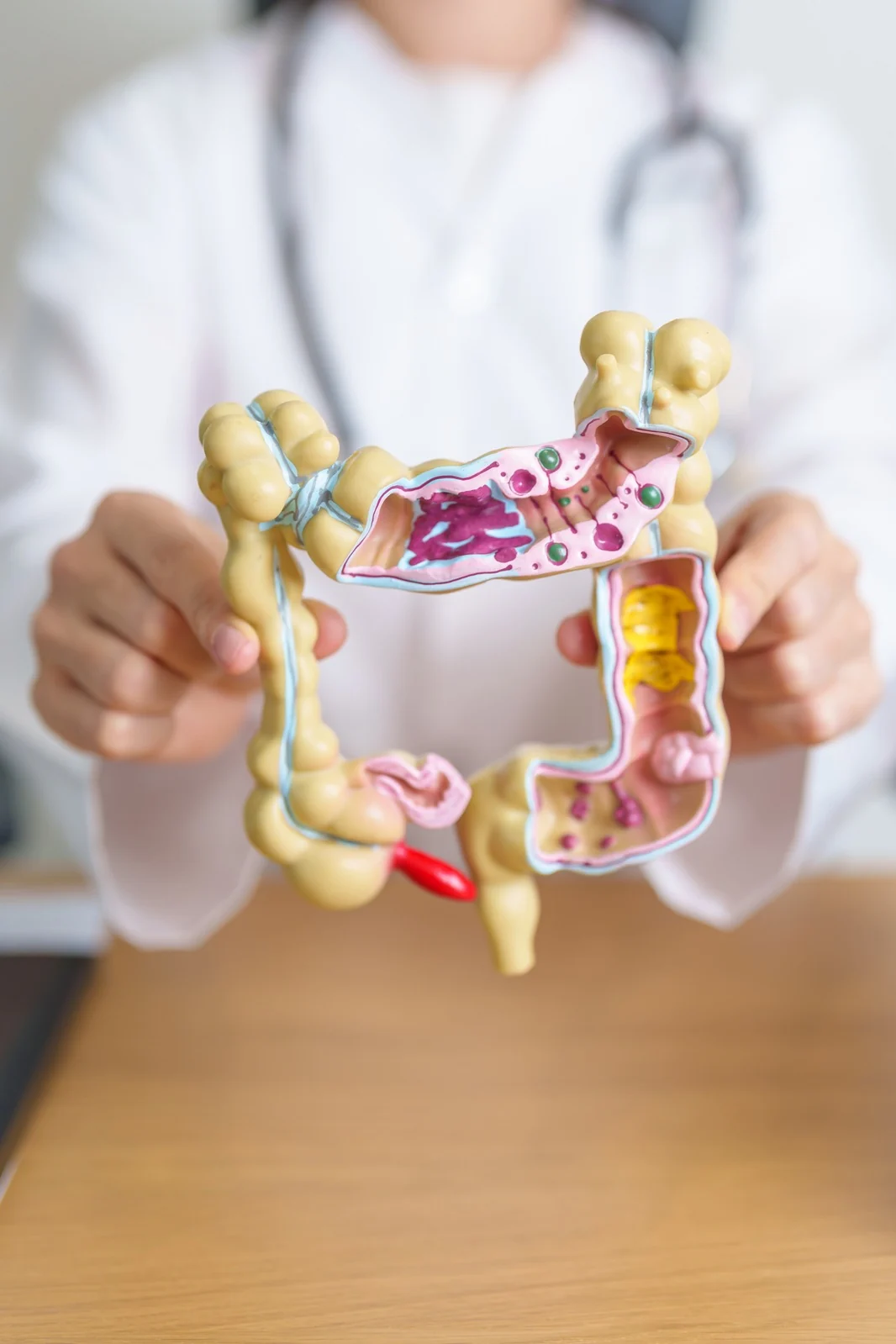
IBS vs. SIBO: Understanding the Difference
One of the most common questions patients ask is whether their symptoms are caused by SIBO or Irritable Bowel Syndrome (IBS). Although these conditions share many symptoms, they are not the same.
IBS is classified as a disorder of gut-brain interaction. It involves changes in how the digestive system and nervous system communicate, potentially affecting intestinal sensitivity, bowel movements, and digestive function.
SIBO, on the other hand, involves an excessive population of bacteria in the small intestine. Both conditions can cause bloating, gas, constipation, and diarrhea. They can also coexist.
However, bloating alone cannot reliably distinguish SIBO from IBS. Other conditions, including celiac disease, inflammatory bowel disease, and gastrointestinal infections, may also produce similar symptoms. This is why a comprehensive assessment is important before starting treatment.
About HealthBuddha
Virtual Care Clinic
HealthBuddha Virtual Care Clinic brings together the collective knowledge, experience, and diverse approaches of naturopathic doctors who have dedicated years to supporting patient health and well-being. Our network of practitioners combines naturopathic medicine with personalized, evidence-informed approaches to help individuals address digestive health concerns and empower individuals to lead healthier lives, and build healthier communities.

Frequently Asked Questions
The two share many symptoms, including bloating, gas, constipation, and diarrhea, so symptoms alone can’t tell them apart. Pronounced bloating tends to show up more with SIBO, and nutrient deficiencies (like low iron, B12, or vitamin D) are more commonly linked to SIBO than IBS. Neither clue is definitive, which is why a full assessment with a practitioner matters.
Yes. The two conditions can coexist, and each may contribute to the other by changing the gut environment.
Possibly. Celiac disease, inflammatory bowel disease, H. pylori infection, and other gastrointestinal infections can cause similar symptoms. A practitioner can help rule these out before you start treatment.
Seek prompt medical attention if you have unexplained weight loss, blood in your stool, persistent vomiting, severe abdominal pain, or signs of significant dehydration.
Timelines vary, but many individuals notice gradual improvements over a few weeks with consistent support.