




Woman holding a warm cup
DIGESTIVE HEALTH & SIBO SUPPORT

SIBO Explained: Symptoms, Testing, Treatment and Prevention

Persistent bloating, excessive gas, and changes in bowel movements can be frustrating, especially when you cannot identify what is causing them. Could Small Intestinal Bacterial Overgrowth (SIBO) be responsible?

Book a Free Discovery Call

SIBO is a digestive condition that has received increasing attention, particularly among people experiencing chronic digestive symptoms. However, because its symptoms overlap with other gastrointestinal conditions, identifying SIBO is not always straightforward.

Woman smiling in a bright room

What Is SIBO?

Small Intestinal Bacterial Overgrowth (SIBO) occurs when excessive bacteria accumulate in the small intestine, where bacterial populations are normally lower than in the large intestine.

These bacteria can ferment carbohydrates from the foods we eat, producing gases that contribute to uncomfortable digestive symptoms.

Common symptoms of SIBO include:

  • Persistent bloating, particularly after meals
  • Excessive gas and abdominal discomfort
  • Constipation or diarrhea
  • Changes in bowel movement patterns
  • Abdominal pain or cramping

In some cases, SIBO may interfere with nutrient absorption, potentially contributing to deficiencies in vitamin B12, iron, and other nutrients.

However, experiencing bloating or digestive discomfort does not automatically mean you have SIBO. Several other conditions can cause similar symptoms.

Book a Free Discovery Call

SIBO vs. IBS: What's the Difference?

One of the most common questions patients ask is whether their symptoms are caused by SIBO or Irritable Bowel Syndrome (IBS).

Although these conditions share many symptoms, they are not the same.

IBS is classified as a disorder of gut-brain interaction. It involves changes in how the digestive system and nervous system communicate, potentially affecting intestinal sensitivity, bowel movements, and digestive function.

SIBO, on the other hand, involves an excessive population of bacteria in the small intestine.

Both conditions can cause bloating, gas, constipation, and diarrhea. They can also coexist.

Pronounced bloating is something practitioners frequently observes in patients with suspected SIBO. However, bloating alone cannot reliably distinguish SIBO from IBS.

Other conditions, including celiac disease, inflammatory bowel disease, and gastrointestinal infections, may also produce similar symptoms.

This is why a comprehensive assessment is important before starting treatment.

Digestive system anatomy educational image

How Is SIBO Diagnosed?

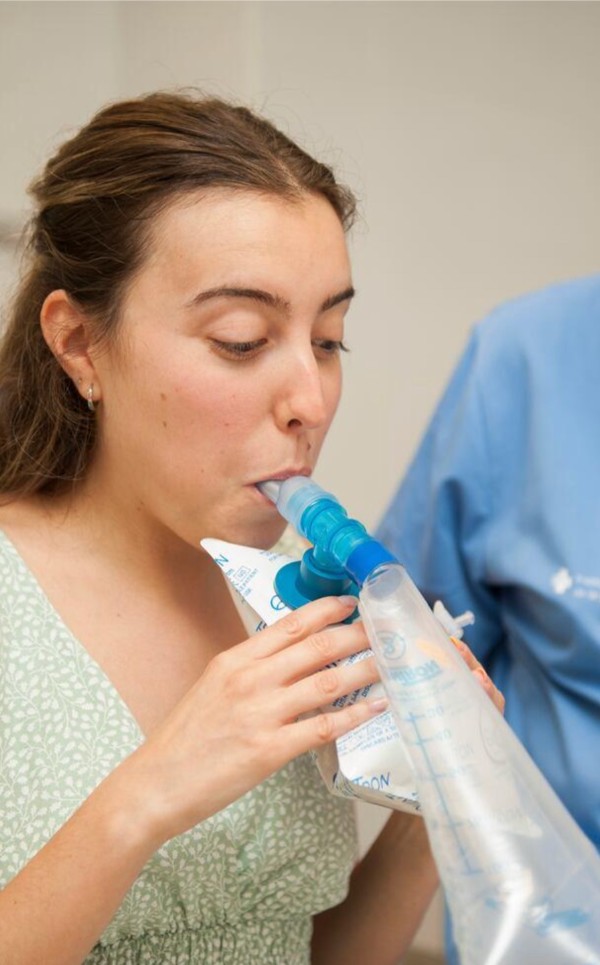
One of the commonly used non-invasive methods for evaluating SIBO is the hydrogen and methane breath test.

How does a SIBO breath test work?

During the test, patients consume a solution containing glucose or lactulose. Breath samples are then collected at regular intervals, typically over two to three hours.

The test measures gases such as hydrogen and methane produced through microbial fermentation.

Elevated levels or particular patterns of these gases may suggest bacterial overgrowth or intestinal methanogen overgrowth.

However, breath testing has limitations. Results can be affected by test preparation, intestinal transit time, and other factors. False-positive and false-negative results are possible.

Are additional tests necessary?

Depending on the patient's symptoms, a healthcare practitioner may also recommend blood tests to evaluate potential nutrient deficiencies, including:

  • Vitamin B12
  • Iron
  • Vitamin D

These tests do not diagnose SIBO directly but may provide additional information about nutritional status and possible malabsorption.

The key takeaway is that testing should be interpreted alongside medical history, symptoms, and other clinical findings rather than in isolation.

Book a Free Discovery Call
Healthcare professionals together in a welcoming clinic

What Are the Treatment
Options for SIBO?

SIBO treatment generally focuses on addressing bacterial overgrowth while identifying factors that may have contributed to its development.

Treatment approaches vary depending on the individual's symptoms, medical history, test results, and underlying conditions.

1. Antibiotic treatment

One commonly prescribed antibiotic for SIBO is rifaximin.

Antibiotic selection and treatment duration depend on the suspected type of overgrowth and individual circumstances.

2. Herbal antimicrobial approaches

  • Berberine
  • Oregano oil
  • Garlic-derived preparations

These products have antimicrobial properties, but clinical evidence supporting their effectiveness for SIBO is more limited than evidence for established antibiotic approaches.

The webinar also discussed biofilms, which are protective structures formed by communities of microorganisms, and the potential use of biofilm-disrupting supplements.

However, there is insufficient high-quality clinical evidence to establish these supplements as effective routine SIBO treatments.

Any herbal antimicrobial approach should be discussed with a qualified healthcare practitioner because supplements may cause side effects or interact with medications.

3. Dietary management

Diet can play an important role in managing digestive symptoms.

One commonly discussed dietary approach is the low-FODMAP diet, which temporarily reduces certain fermentable carbohydrates that may contribute to gas and bloating.

For some people, this approach may improve digestive comfort.

However, a low-FODMAP diet does not confirm a SIBO diagnosis, and symptom improvement does not necessarily indicate that bacterial overgrowth has been eliminated.

It is also not intended to be a permanently restrictive diet. A structured reintroduction phase helps identify individual food triggers while supporting nutritional variety.

Book a Free Discovery Call
Fresh colorful food representing digestive health
LOOKING BEYOND SYMPTOMS

Why Does SIBO Keep Coming Back?

A major focus of the HealthBuddha webinar was understanding why SIBO develops in the first place.

Treating bacterial overgrowth without addressing contributing factors may increase the likelihood of symptoms recurring.

Several factors deserve consideration.

1. Stomach acid and digestive function

Stomach acid helps break down food and acts as a natural barrier against ingested microorganisms.

Reduced stomach acidity may be associated with changes in digestive microbial populations.

Certain medications, such as proton pump inhibitors (PPIs), reduce stomach acid production and may be associated with an increased likelihood of SIBO in some populations.

However, these medications are important for managing specific medical conditions and should not be discontinued without medical guidance.

2. Slow intestinal motility

Intestinal motility refers to how food and other contents move through the digestive tract.

The small intestine has natural mechanisms that help move material and microorganisms forward.

When intestinal movement is impaired, bacteria may have more opportunity to accumulate.

Factors affecting motility can include certain medications, underlying medical conditions, and digestive disorders.

Constipation may also occur alongside conditions associated with impaired intestinal movement.

3. Underlying health conditions

HealthBuddha practitioners identified several conditions that may contribute to digestive changes and potentially influence SIBO risk.

These include:

  • Hypothyroidism: Reduced thyroid activity can slow gastrointestinal movement.
  • Diabetes and other conditions affecting intestinal nerves: These may impair digestive motility.
  • Crohn's disease and other gastrointestinal disorders: Inflammation or structural changes may affect normal intestinal function.
  • Previous gastrointestinal infections: Some infections may contribute to longer-term changes in digestive function.
  • Endometriosis: In certain cases, inflammation or adhesions may affect gastrointestinal function.

Identifying and managing relevant underlying conditions is an important part of an individualized care plan.

4. Stress and the gut-brain connection

Stress can affect gastrointestinal sensitivity, bowel habits, and digestive function through communication between the brain and the gut.

Although stress alone does not establish a diagnosis of SIBO, managing chronic stress may help improve overall digestive comfort, particularly for individuals with overlapping IBS symptoms.

Book a Free Discovery Call

Can SIBO Be Prevented?

There is no guaranteed method for preventing SIBO, particularly when underlying medical conditions contribute to its development.

However, several strategies may support digestive health and help address factors associated with recurrence.

  • Identify underlying causes. Work with a healthcare practitioner to assess digestive motility, medication use, and relevant medical conditions.
  • Manage constipation and bowel movement changes. Persistent changes in bowel habits should be assessed rather than repeatedly treated without identifying the cause.
  • Avoid unnecessary dietary restrictions. Use elimination diets only when appropriate, ideally with professional guidance, and reintroduce foods systematically.
  • Review long-term medication use. Discuss medications that may affect gastrointestinal function with the prescribing clinician. Never stop prescribed medication independently.
  • Monitor recurring symptoms. If bloating, gas, diarrhea, or constipation returns after treatment, seek reassessment rather than assuming SIBO has returned.
Healthcare professional in a clinic

When Should You Speak with a Healthcare Practitioner?

If you experience persistent bloating, excessive gas, abdominal discomfort, or recurring changes in bowel habits, a healthcare practitioner can help determine whether additional investigation is appropriate.

Seek prompt medical attention for warning signs such as unexplained weight loss, blood in the stool, persistent vomiting, severe abdominal pain, or signs of significant dehydration.

Because SIBO symptoms overlap with several other conditions, the goal should be to identify the cause of your symptoms rather than simply treat suspected bacterial overgrowth.

Book a Free Discovery Call
Final Thoughts

Understanding the Root Cause Matters

SIBO can be challenging because symptoms are not always specific, diagnostic testing has limitations, and recurrence can occur.

Successful digestive care requires looking beyond the symptoms themselves.

Understanding digestive motility, underlying medical conditions, medication use, and dietary triggers can help patients and healthcare practitioners develop a more individualized management plan.

Struggling with persistent bloating or digestive discomfort?

HealthBuddha connects patients with naturopathic practitioners who can help assess digestive health concerns and discuss appropriate next steps.

Book a Free Discovery Call
We’ve got Answers

Frequently Asked Questions

The two share many symptoms, including bloating, gas, constipation, and diarrhea, so symptoms alone can’t tell them apart. Pronounced bloating tends to show up more with SIBO, and nutrient deficiencies (like low iron, B12, or vitamin D) are more commonly linked to SIBO than IBS. Neither clue is definitive, which is why a full assessment with a practitioner matters.

Yes. The two conditions can coexist, and each may contribute to the other by changing the gut environment.

Possibly. Celiac disease, inflammatory bowel disease, H. pylori infection, and other gastrointestinal infections can cause similar symptoms. A practitioner can help rule these out before you start treatment.

Seek prompt medical attention if you have unexplained weight loss, blood in your stool, persistent vomiting, severe abdominal pain, or signs of significant dehydration.

Small Intestinal Bacterial Overgrowth (SIBO) happens when too much bacteria builds up in the small intestine. These bacteria ferment carbohydrates from food, producing gas that can lead to bloating, discomfort, and changes in bowel habits.

The most common test is a hydrogen and methane breath test. You drink a glucose or lactulose solution, then give breath samples over two to three hours. The samples measure gases produced by bacteria in your gut.

It’s a useful tool, but it isn’t perfect. Results can be affected by test preparation, how quickly food moves through your gut, and other factors, so false positives and false negatives are possible. Your practitioner should interpret results alongside your symptoms and history.

SIBO can sometimes interfere with nutrient absorption. Blood tests for vitamin B12, iron, and vitamin D don’t diagnose SIBO, but they can show whether you’ve developed deficiencies that need attention.

Rifaximin is a commonly prescribed antibiotic for SIBO. Herbal options like berberine, oregano oil, and garlic-derived preparations are sometimes used in naturopathic care, though the evidence behind them is more limited than for antibiotics. The right approach depends on your test results, health history, and type of overgrowth. Always check with a practitioner before starting any supplement, since some can interact with medications.

Biofilms are protective layers formed by communities of microorganisms, and some supplements claim to break them down. There isn’t enough high-quality evidence yet to recommend them as a routine SIBO treatment.

Not on its own. A low-FODMAP diet may ease gas and bloating, but feeling better doesn’t confirm that the overgrowth is gone. The diet is also meant to be temporary, followed by a structured reintroduction of foods.

Treating the overgrowth without addressing what caused it can lead to recurrence. Common contributing factors include low stomach acid, slow intestinal movement, and underlying conditions such as hypothyroidism, diabetes, Crohn’s disease, past GI infections, and endometriosis. Chronic stress can also affect digestion.

Proton pump inhibitors (PPIs) reduce stomach acid and may be linked to a higher chance of SIBO in some people. However, these medications treat important conditions, so never stop taking them without talking to your prescribing clinician first.

There’s no guaranteed way to prevent it, especially when an underlying condition is involved. Working with a practitioner to identify root causes, manage constipation, review long-term medications, and avoid unnecessary food restrictions can all help reduce recurrence.

Illustration of the digestive system